






7 Night Driving Tips for New Drivers
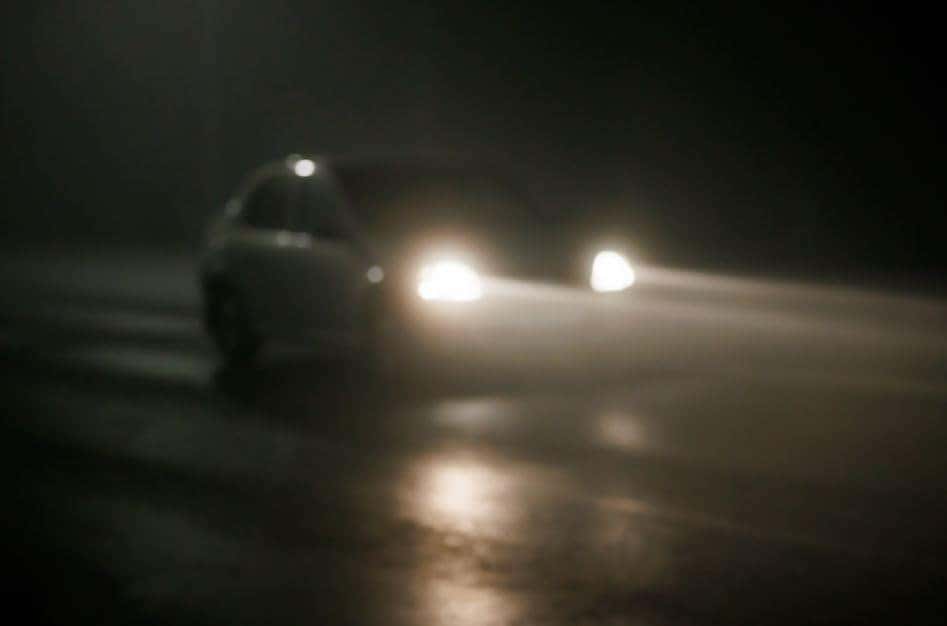
Embarking on the open road under the moonlit sky holds a unique allure, but for new drivers, navigating the challenges of night driving can be an intimidating endeavor. The world transforms when the sun sets, and the nuances of night driving demand a different set of skills and precautions.
When driving at night you should be equipped with the knowledge and strategies to ensure a safe and confident journey. Night driving is dangerous because of reduced visibility and increased risks, making it imperative for new drivers to heed essential guidelines. In this article, we’ll unravel the mysteries of driving at night and unveil seven crucial tips tailored to empower new drivers as they navigate the roads after dark. Buckle up, as we illuminate the path to mastering the art of night driving!
Ensure Your Vehicle Lights are Working
When driving at night you should ensure that your vehicle’s lighting is working properly. This is essential for a number of reasons. Your headlights help provide good visibility, allowing you to see the road ahead and any potential hazards or obstacles. Without properly functioning headlights, it becomes difficult to navigate and react to situations in the dark, especially with oncoming traffic.
Secondly, when driving at night, it is crucial to be visible to other drivers on the road. Your headlights not only help you see, but they also make your vehicle visible to others. If your headlights are not working, especially your taillights, it increases the risk of a collision as other drivers may not be able to see you in time to take necessary precautions.
Increase Your Following Distance
Night driving is dangerous because it reduces the driver’s ability to detect and react to hazards on the road. When driving at night, it is vital to increase your following distance between other vehicles on the road. This is because reduced visibility and slower reflexes make it harder to react promptly to unexpected situations.
Additionally, darkness can impact a driver’s depth perception, making it harder to judge distances between other vehicles. Therefore, increasing your following distance allows for more time to react and avoid potential collisions. Furthermore, a greater following distance ensures that your headlights have ample time to illuminate the road ahead, making it easier to detect any hazards or obstacles.
Lastly, driving at night can cause fatigue, making it more difficult to maintain attention and focus on the road. Increasing the following distance allows for more margin of error should something unexpected occur, providing more time for the driver to adjust and avoid potential accidents.
Use Your Headlights Correctly
When driving at night you should use your headlights correctly because they play a crucial role in visibility and safety.
A common mistake is not turning off your high beams when there are cars approaching from the opposite direction or when you’re in an area where there isn’t enough room for both drivers’ lights to shine through without blinding them. This can cause accidents if someone doesn’t realize what’s happening until it’s too late.
By using your low-beam headlights, you avoid blinding oncoming vehicles ahead, reducing the risk of accidents caused by poor visibility. This responsible use of headlights contributes to a safer driving environment by minimizing distractions and ensuring that all road users can navigate with optimal visibility.
Stay Alert and Focused
Staying alert and focused when driving at night is absolutely crucial due to the unique challenges presented by reduced visibility and potential fatigue. The nighttime environment poses increased risks, which makes it imperative for drivers to remain attentive. The absence of natural light can create unexpected obstacles on the road, and staying alert ensures that drivers can quickly respond to these challenges, preventing accidents and promoting overall safety.
Fatigue tends to be more pronounced during nighttime driving, as the body’s natural circadian rhythm signals that it’s time to rest. Therefore, staying focused becomes a critical component in combating driver fatigue.
Take Breaks if Needed
Night driving can be more mentally and physically demanding compared to driving during the day. The reduced visibility and monotonous environment can lead to fatigue and drowsiness, which significantly impairs your ability to focus on the road.
Driving at night often leads to a higher likelihood of drowsy driving, and failing to address this can have serious consequences. Taking short breaks, especially during long journeys, allows drivers to refresh and recharge. Stepping out of the vehicle, stretching, and taking a brisk walk can help improve circulation and mental alertness. This proactive approach not only safeguards the driver but also promotes road safety by reducing the risk of accidents caused by impaired concentration or momentary lapses in attention.
Be Mindful of Your Speed
Being mindful of your speed when driving at night is essential due to the unique challenges posed by reduced visibility and the potential for unexpected obstacles on the road. Reduced visibility makes it more challenging to identify hazards in advance, and driving at a moderate and manageable speed allows for quicker reaction times to unexpected situations.
Excessive speed amplifies the risks associated with night driving, as it reduces the driver’s ability to respond effectively to obstacles or sudden changes in road conditions. Driving within the speed limit and adapting to the road’s visibility conditions contribute significantly to overall safety.
Moreover, reducing your speed at night is a proactive measure to enhance your own safety and that of others on the road. Adhering to posted speed limits and adjusting your speed based on weather conditions, road quality, and visibility levels ensures a more predictable driving environment.
Know Your Route in Advance
Knowing your route in advance is essential when driving at night for a variety of safety and practical reasons. Firstly, familiarity with the route allows you to anticipate upcoming turns, exits, and potential hazards. In the darkness of the night, visibility is limited, and having a pre-planned route helps reduce the stress associated with last-minute decisions. This proactive approach enhances your ability to navigate confidently, promoting a smoother and more controlled driving experience.
Additionally, being aware of the route in advance enables you to make informed decisions about rest stops, fueling stations, and other essential services. This is particularly crucial for long journeys, as it allows you to plan your breaks strategically. Knowing where rest areas or well-lit service stations are located ensures that you can take breaks in safe environments, helping combat driver fatigue, which is more prevalent during nighttime travel. A well-planned route minimizes the likelihood of finding yourself in unfamiliar or potentially risky areas during the night.
Final Thoughts
To sum it up, driving at night requires extra caution and awareness to ensure a safe journey. Night driving is dangerous because reduced visibility and increased drowsiness can pose significant risks on the road. When driving at night you should remember to adjust your speed to the conditions, take regular breaks to combat fatigue, and be mindful of your surroundings.
Additionally, it is essential to know your route in advance, anticipate potential hazards, and maintain a focused mindset. By following the safety tips above, you can navigate the challenges of night driving with confidence and prioritize the safety of yourself and others.
0 comment(s) so far on 7 Night Driving Tips for New Drivers