






7 Ways to Save Money at the Gas Pump
7 Ways to Save Money at the Gas Pump
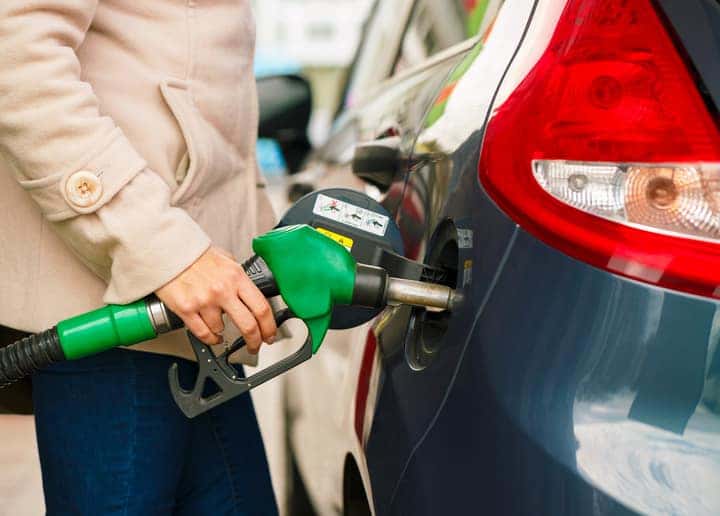
As of September 2023, the average cost of gasoline in the US was $3.40 per gallon, marking a 20% increase compared to the previous year, according to recent data from the United States Energy Information Administration (EIA). Consumers are gravely concerned about the increasing gas prices as it impacts their commuting costs and overall household expenses.
Moreover, in 2023, the demand for gasoline in the US will steadily increase as more people resume travelling and commuting following the lifting of COVID-19 restrictions. According to EIA’s data, the average daily gasoline consumption reached 9.3 million barrels per day in 2023, a 7% increase compared to the previous year. The escalating demand has put pressure on the already strained supply chain, leading to potential shortages and fuel price instability across the nation.
Given the high gas prices and the growing concern among consumers, it is crucial to address the question, “Why are gas prices so high?” There are several factors contributing to the spike in prices, including global economic recovery, geopolitical tensions, and supply chain disruptions caused by extreme weather events. These variables have led to an increased demand for gasoline, resulting in higher prices at the pump.
With the current gas price scenario, this article aims to provide valuable information to help you save money at the gas pump. By following these practical tips, you can navigate the challenges of high gas prices and make informed choices to manage your budget effectively.
Consider Carpooling
Carpooling is one of the most effective ways to save money at the gas pump. When you share a ride with others, you can split the fuel cost, reducing your individual expenditure. This can make a significant difference, especially when you have a long commute or frequently drive long distances.
Moreover, carpooling can save you valuable time. By travelling in a shared vehicle, you can take advantage of carpool lanes or dedicated HOV (High Occupancy Vehicle) lanes, which are often less congested than regular lanes. This means you can avoid the frustration of sitting in traffic and arrive at your destination faster.
Plan and Combine Trips
You can maximize your vehicle’s MPG by strategically organizing your errands and combining multiple trips into one. By doing so, you can avoid unnecessary backtracking, idle time, and excessive driving – all of which lead to decreased fuel efficiency. By optimizing your routes and ensuring the most direct paths between destinations, you can significantly increase your miles per gallon and stretch every drop of fuel in your tank to its fullest potential.
The benefits of planning and combining trips go beyond saving money at the gas pump. It also helps lessen the wear and tear on your vehicle, prolonging its lifespan, saving you maintenance costs, and reducing your carbon footprint, contributing to a cleaner environment. By reducing your overall mileage and minimizing the number of trips you take, you’re not only benefiting your wallet but also contributing to a more sustainable future.
Use Apps to Find the Best Gas Prices
In this digital age, technology has become a powerful tool in our everyday lives, including helping us save money at the gas pump. With the availability of countless smartphone apps, finding the best gas prices in your area has become quick and effortless. These apps enable you to compare prices from various gas stations, allowing you to choose the most cost-effective option.
Moreover, using apps to find the best gas prices offers convenience and efficiency. Instead of driving around town for the cheapest gas, these apps provide you with all the information you need at your fingertips.
Furthermore, some apps offer additional features and benefits that can help you save on gasoline. For instance, certain apps allow you to set price alerts, notifying you when gas prices in your area drop. This can be incredibly useful, especially during periods of fluctuating oil prices. Some apps also provide rewards programs or cashback offers on fuel purchases, allowing you to stretch your dollar further. By taking advantage of these extra features, you can maximize your savings and make your trips to the gas station more financially rewarding.
Maintain your Vehicle
Taking proper care of your car is not only essential for its longevity but can also significantly impact your gas expenses. Properly inflated tires, regular oil changes, and clean air filters are basic maintenance practices that can significantly improve your car’s fuel efficiency. Underinflated tires create more resistance on the road, leading to increased gas consumption. Therefore, keeping your tires under recommended pressure is necessary to reduce your stop at the pump.
Moreover, clean engine oil is important in lubricating and protecting the engine, enhancing its performance and requiring less gas. Similarly, air filters ensure clean air circulation in the engine and prevent dirt, debris, and other contaminants from affecting performance. A dirty or clogged filter can restrict airflow, making the engine work harder and consume more fuel.
Drive Efficiently
Driving too fast can be dangerous and also lowers your fuel efficiency. As you speed up, your car encounters more wind resistance, making it work harder and use more fuel.
Another way to save fuel is by avoiding unnecessary idling. If you’re waiting in your car with the engine running, you’re not only wasting fuel but also harming the environment. It’s best to turn off the engine if you anticipate a wait of more than a minute.
Furthermore, you can save even more money by driving at a consistent pace and avoiding sudden accelerations. Sudden accelerations use up more energy and burn fuel quickly. So, try driving more smoothly. This will improve fuel economy and save you money in the long run.
Consider Alternative Transportation Methods
In certain situations, it may be more cost-effective to use alternative transportation methods, such as biking, walking, or using public transportation. It’s worth evaluating your daily commute to see if there are opportunities to incorporate these alternative transportation methods. If you live in an urban area with reliable public transport or have relatively short distances to cover, biking or walking could be a feasible solution. By making this shift in your commute, you can save money on gas and contribute to reducing traffic congestion and lowering your carbon footprint.
Consider a Fuel-Efficient Vehicle
If you’re in the market for a new vehicle, it’s worth considering the fuel efficiency of the models you’re interested in. The first question that often comes to mind is, “What is a good MPG?” The answer varies depending on the type of vehicle, but generally speaking, a higher MPG (miles per gallon) means better fuel efficiency. Be sure to research and compare the MPG ratings of different vehicles before making a decision, as even a few extra miles per gallon can add up to significant savings at the gas pump.
To Sum Up
To save money at the gas pump and cope with the high cost of gasoline, there are practical steps that can be taken. One such step is carpooling, which allows for sharing fuel expenses. Another strategy is to plan and combine trips to optimize fuel efficiency and minimize unnecessary driving. Using smartphone apps to find the best gas prices can be convenient and may come with additional savings through rewards programs and price alerts.
Regular vehicle maintenance, such as maintaining proper tire inflation, changing air filters and oil at recommended intervals, is important for improving fuel efficiency. Driving habits also play a role; practices like driving smoothly at moderate speeds and avoiding unnecessary idling can save fuel. Alternative transportation options like biking, walking, or public transit for daily commutes can be both cost-effective and environmentally friendly. Lastly, when in the market for a new vehicle, comparing the MPG ratings of different models can lead to long-term savings at the gas pump.
0 comment(s) so far on 7 Ways to Save Money at the Gas Pump