






6 Signs of Bad Ball Joints
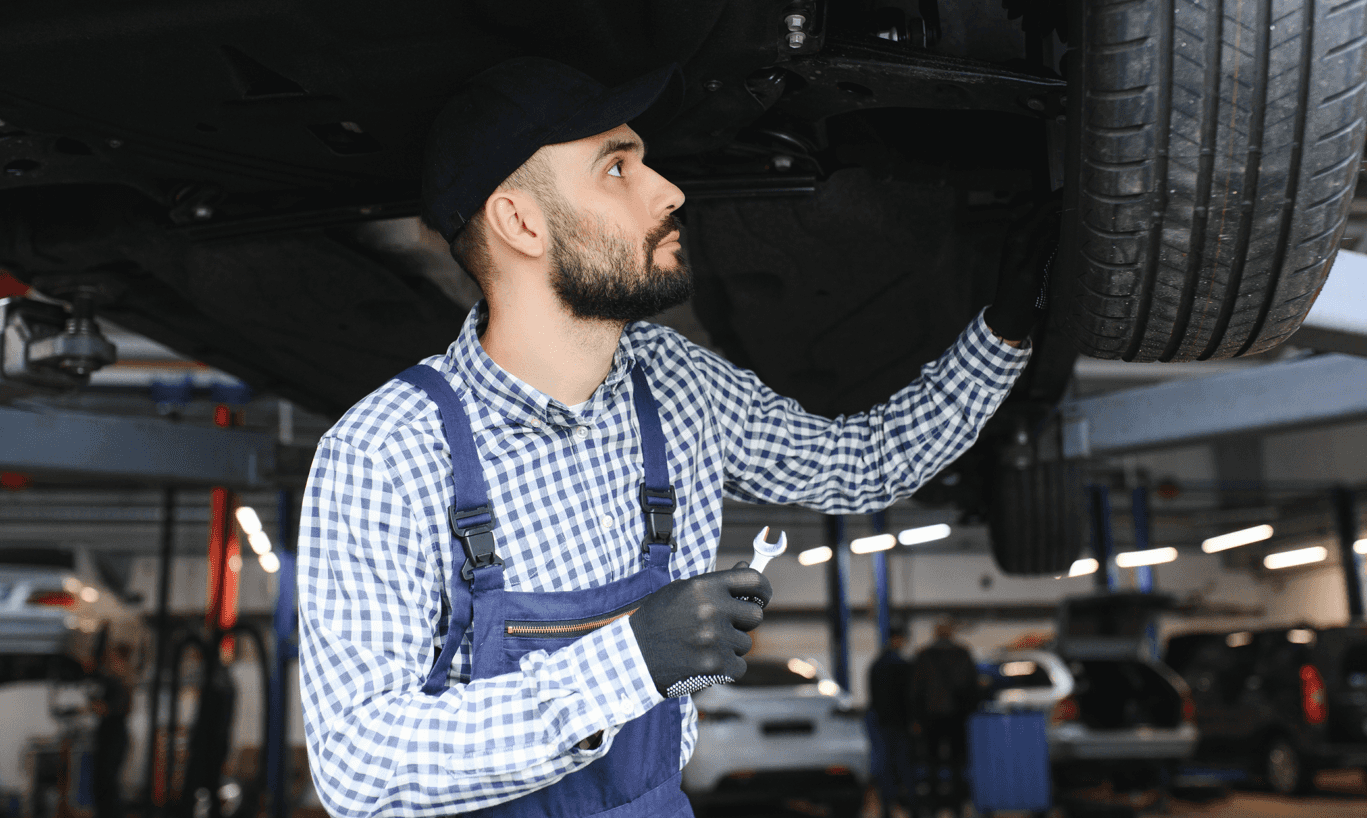
Ball joints are critical components in your car’s suspension system, acting as pivot points that connect the control arms to the steering knuckles. These small yet mighty parts play a significant role in ensuring smooth steering, stable handling, and proper alignment. Over time, wear and tear can lead to bad ball joints, which can compromise the safety and performance of your vehicle. Knowing how to tell if ball joints are bad is essential for maintaining a safe and efficient ride.
Driving on bad ball joints can result in a host of issues, from uneven tire wear to difficulty steering. Ignoring bad ball joints symptoms can lead to more severe damage and higher repair costs. Recognizing these signs early not only protects your car but also helps avoid the dangers associated with a failing suspension system. Proper maintenance can save you from the inconvenience and expense of unexpected repairs, such as ball joint replacement cost, which can quickly add up if the damage spreads to other components.
Understanding bad ball joints symptoms starts with paying attention to your car’s performance and listening for unusual noises. Squeaking or clunking sounds, uneven tire wear, and loose steering are common indicators of a problem. These symptoms can worsen over time, affecting your car’s stability and increasing the risk of accidents. Knowing how to tell if ball joints are bad can empower you to take timely action and prevent further complications.
This article will walk you through six key signs that indicate your ball joints may be failing. From identifying warning noises to understanding the potential risks of driving on bad ball joints, we’ll help you spot the red flags and address them before they escalate. Armed with this knowledge, you’ll be better equipped to handle your ball joints car issues and ensure a safe and smooth driving experience.
If your vehicle needs a proper maintenance service or genuine parts, Lucas Smith Chrysler Center has got you covered!
Also Read: Easy Ways to Protect Your Car Windshield
What is a Ball Joint on a Car?
What is a ball joint on a car, you ask? It is a spherical bearing that connects the control arm to the steering knuckle, allowing smooth movement and precise steering. It acts as a pivot point, enabling the suspension to absorb road shocks while maintaining proper alignment during steering and wheel motion. This car joint is designed to handle significant pressure and movement, making it an essential component of the suspension system. Over time, wear and tear can compromise its functionality, leading to steering instability and uneven tire wear.
When a joint on a car fails, it can cause severe safety and performance issues, making timely replacement essential. Ball joint replacement is a common repair that ensures your suspension system operates correctly. Lower ball joint replacement cost can vary depending on the vehicle and extent of the damage, but addressing the problem promptly prevents further wear on other components. Understanding what is a ball joint on a car helps drivers recognize its importance in maintaining a safe and smooth ride.
Below we’ll take a closer look at the 6 Signs of Bad Ball Joints.
Excessive Vibration
Excessive vibration is one of the key bad ball joints symptoms that can significantly affect your driving experience. When a joint wears out, the loose connection between the control arm and steering knuckle causes instability. This instability transfers vibration through the suspension system, resulting in a shaky or uneven ride. You may feel this vibration through the steering wheel or throughout the vehicle, especially when driving over uneven surfaces or at higher speeds. Left unchecked, this issue can worsen, leading to compromised handling and increased wear on tires and other suspension components.
Addressing excessive vibration caused by bad ball joints is critical to maintaining a safe and comfortable ride. Ignoring this symptom can lead to more severe damage, including failure of the lower ball joint, which carries much of the vehicle’s weight. Timely ball joint replacement ensures your suspension system functions correctly and prevents additional repair costs.
Steering Wander
When a joint wears out, it can no longer maintain the tight connection between the control arm and steering knuckle, causing excessive play in the suspension. This looseness leads to unpredictable steering, making it difficult to keep the car aligned in a straight line. Drivers may notice the need to make frequent corrections to the steering wheel as the vehicle drifts from side to side, especially on straight roads or at higher speeds. Steering wander not only makes driving frustrating but also increases the risk of losing control, particularly during sudden maneuvers.
Addressing steering wander caused by bad joints is essential for safety and proper vehicle handling. Prompt ball joint replacement restores the suspension’s stability, allowing for precise steering and improved control. Ignoring this issue can lead to further damage, including uneven tire wear and additional strain on other suspension components.
Squeaking or Creaking Noises
Squeaking or creaking noises are among the most noticeable bad ball joints symptoms and often serve as an early warning sign of trouble. These sounds typically occur when the grease inside the joint dries out, leading to increased friction between its components. The lack of lubrication causes the ball joint to produce high-pitched squeaks or low creaking noises, especially when turning the steering wheel or driving over bumps. These sounds might start subtly but can grow louder over time as the joint deteriorates further, making it essential to address the issue promptly.
Ignoring squeaking or creaking noises from the ball joints can lead to more severe suspension problems, including reduced steering responsiveness and uneven tire wear. As the joint continues to wear out, it may lose its ability to support the control arm and steering knuckle properly, eventually resulting in more expensive repairs or even complete suspension failure.

Uneven Tire Wear
When a ball joint begins to fail, it can no longer hold the suspension components in proper alignment. This misalignment places uneven pressure on the tires, causing them to wear down unevenly. You may notice excessive wear on the inner or outer edges of the tires, which compromises their lifespan and affects overall handling. Uneven tire wear not only increases the risk of a blowout but also makes the car less stable during cornering and braking. Identifying and addressing this issue promptly can save you from additional tire-related expenses and safety risks.
A failing lower ball joint often carries the most weight and is particularly prone to wear, exacerbating alignment issues that lead to uneven tire wear. To restore proper alignment and prevent further damage, ball joint replacement is essential. While ball joint replacement cost varies based on the type of vehicle and the extent of wear, it is a worthwhile investment that protects the longevity of your tires and ensures safe driving conditions. Paying attention to bad joints signs, such as uneven tire wear, helps you address suspension problems early, avoiding more extensive repairs and maintaining your car’s overall performance.
Clunking or Knocking Sensation
A clunking or knocking sensation is one of the more alarming bad ball joints symptoms, signaling significant wear or damage. This sensation typically occurs when a ball joint becomes loose within its housing or as a result of worn-out components. The clunking noise is most noticeable when driving over bumps, uneven surfaces, or during sharp turns. It happens because the ball joint is no longer securely holding the control arm and steering knuckle together, allowing excessive movement. This symptom not only disrupts the smoothness of your ride but also indicates that the suspension system’s integrity is compromised.
Ignoring clunking or knocking sensations caused by failing ball joints can lead to severe consequences, including complete joint failure. If a ball joint separates while driving, the suspension may collapse, causing the wheel to become misaligned or even detach. This can result in dangerous situations on the road.
Damaged Suspension Parts
A worn or loose ball joint can create instability within the suspension system, putting additional stress on components like the control arms, steering knuckle, and even shock absorbers. Over time, this excessive strain can lead to visible damage, such as cracks, bent parts, or broken connections. Recognizing bad ball joints symptoms, such as abnormal movement or visible wear in suspension components, is crucial for preventing further damage and maintaining vehicle safety.
Allowing damaged suspension parts to go unchecked can escalate repair costs and create dangerous driving conditions. For instance, a failing lower ball joint, which supports much of the vehicle’s weight, can lead to severe misalignment and additional wear on nearby parts. Ball joint replacement becomes essential to restore the suspension system’s integrity and prevent further failures.
Conclusion
Recognizing the signs of a failing ball joint is crucial for ensuring the safety and performance of your car. Bad ball joints symptoms, such as uneven tire wear, clunking noises, or loose steering, should never be ignored. Driving on bad ball joints can lead to further damage and put you at risk on the road. Learning how to tell if ball joints are bad helps you address problems early, avoiding more extensive repairs and ensuring a smoother, safer ride.
If you suspect your such car issues are showing up, do not hesitate to take your vehicle to Lucas Smith CDJR service center. Promptly addressing these issues not only prevents potential accidents but also helps you manage ball joint replacement cost effectively. Staying vigilant about the condition of your ball joints and understanding how to tell if ball joints are bad empowers you to maintain your vehicle’s suspension system and keep your car running at its best for years to come.
Read Next: 7 Ways to Save Money at the Gas Pump
0 comment(s) so far on 6 Signs of Bad Ball Joints